Luton Town's Bold Move to Embrace Modern Football in the 1990s
In the early 1990s, Luton Town found itself at a crossroads, facing the dual challenges of evolving football dynamics and the club's own financial security. After a turbulent decade that saw fluctuations between divisions, the club's management recognized the importance of adapting to modern football trends while maintaining the rich traditions that made Luton Town beloved by its fans. This period was marked not only by a determination to stay competitive but also by a commitment to establishing a long-term vision for the club.
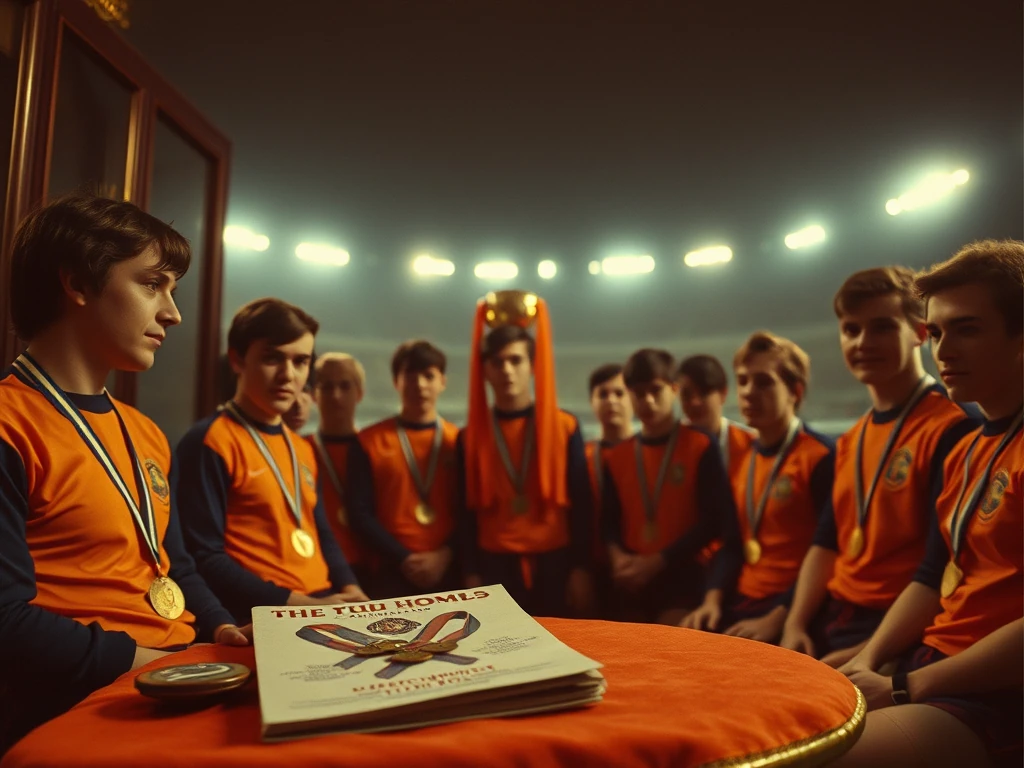
One of the most significant changes during this era was the club's investment in youth development. The Hatters began to prioritize homegrown talent, establishing a youth academy that would become a vital source of players. The academy was not only about nurturing football skills; it was about instilling the values and ethos of Luton Town in young players. The likes of Michael Owen and later, players such as Aaron Connolly, would emerge as products of this initiative.
In tandem with this focus on youth, Luton Town also recognized the need to modernize its training facilities. The club took significant steps to upgrade its infrastructure, ensuring that players had access to state-of-the-art resources. This transformation was key in attracting top prospects and retaining existing talent during a time when competition for players was intensifying. Enhanced facilities played a key role in fostering a professional environment that could support the evolving demands of the game.
Tactically, Luton Town embraced a more expansive style of play that resonated with the club's fanbase. Under the guidance of progressive management, the team began to prioritize attacking football, emphasizing creativity and flair. This approach not only made matches entertaining for spectators but also aligned with the modern football philosophy that was gaining traction across the country. The Hatters became known for their adventurous play, which helped to forge a distinctive identity for the club.
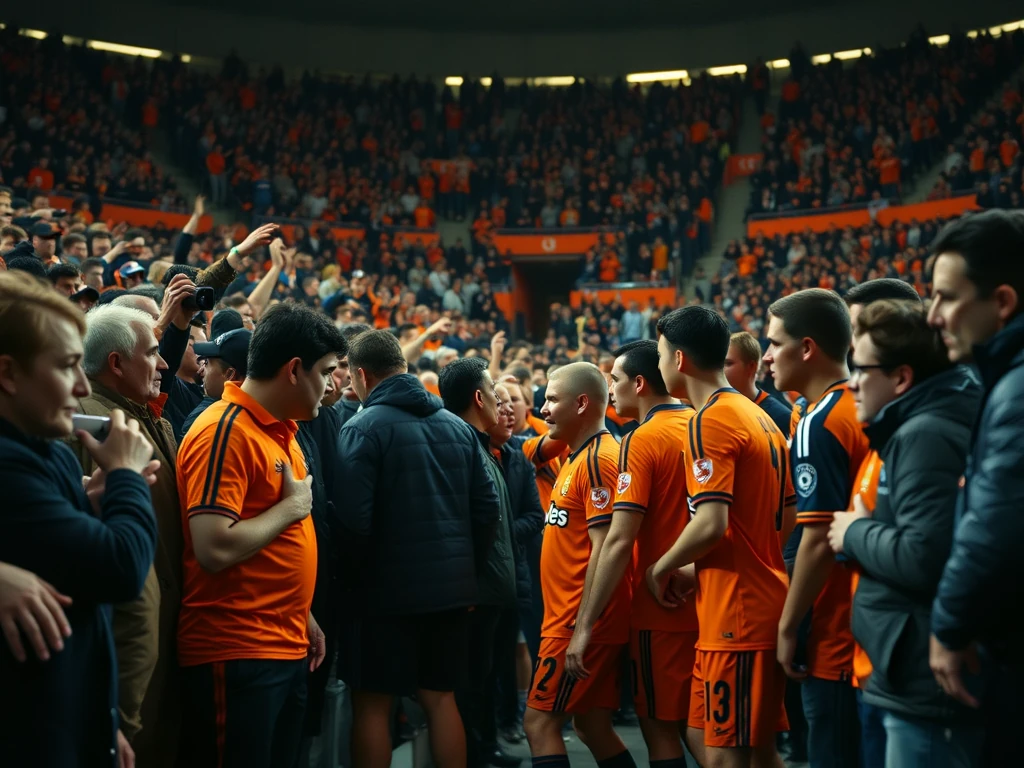
Also, the 1990s also saw Luton Town engaging more actively with its supporters. With the emergence of social media and new communication channels, the club use these platforms to enhance fan engagement. Initiatives such as open training sessions, fan forums, and community events became regular features, helping to strengthen the bond between the club and its loyal supporters. This connection was essential for maintaining a strong home advantage at their beloved Stadium, where the atmosphere was electric during match days.
As the decade progressed, Luton Town's commitment to modernization began to bear fruit. The club not only remained competitive in the league but also managed to build a squad that was capable of challenging for promotion. The seeds planted during this major era would lay the groundwork for future successes, allowing The Hatters to handle the ups and downs of football with resilience and determination.
In retrospect, Luton Town's embrace of modern football in the 1990s was not merely about adapting to change; it was about reaffirming the club's identity while looking toward the future. These bold moves during a key decade would shape the trajectory of the club for years to come, ensuring that Luton Town remained a significant player in the football landscape, resonating with both past and future generations of fans.